Engineering implication
Separate contextual memory from durable business state.
// engineering radar · Agentic Systems
Agent memory retains information across turns or tasks.
Agent memory retains information across turns or tasks. Working context, semantic recall and durable business records serve different purposes and need different retention rules. Retrieved memories should carry provenance and scope; they should never silently replace current operational truth.
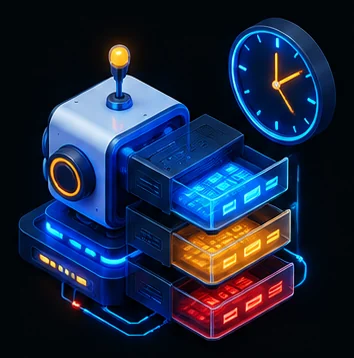
MemGPT explores hierarchical memory and virtual context management to extend limited model context. [1]
MemGPT: Towards LLMs as Operating SystemsPacker et al. · arXiv · Paper
The NIST Privacy Framework addresses privacy risks introduced by data processing, including retained information. [2]
NIST Privacy Framework: A Tool for Improving Privacy Through Enterprise Risk Management, Version 1.0NIST · Standard
References support the specific statements above. Definitions are paraphrased synthesis; scenarios, diagrams, implementation checks and portfolio connections are independent educational examples, not results reported by these sources.
Separate personal context from authoritative workflow state.
An assistant remembers a user's preferred report format while retrieving current account permissions from the system of record for every new request.
A stale or cross-user memory can produce an incorrect answer or reveal information outside the current user's access.
Connected engineering concerns
These technologies address adjacent design constraints. Connections express conceptual relationships, not citations or measured dependencies.
Independent implementation perspectives · illustrative, not findings reported by the cited sources.
Separate contextual memory from durable business state.
Constrain retention and prevent cross-user context leakage.
Orchestration, coordination and evaluation for systems that plan, use tools and act.
A successful single-agent demonstration says little about what happens when agents share state, retry side effects, disagree or delegate across services. Enterprise workflows need predictable failure semantics around probabilistic decisions.
Portfolio work sharing this technology’s domains. Shared subjects indicate editorial relationships, not citations.
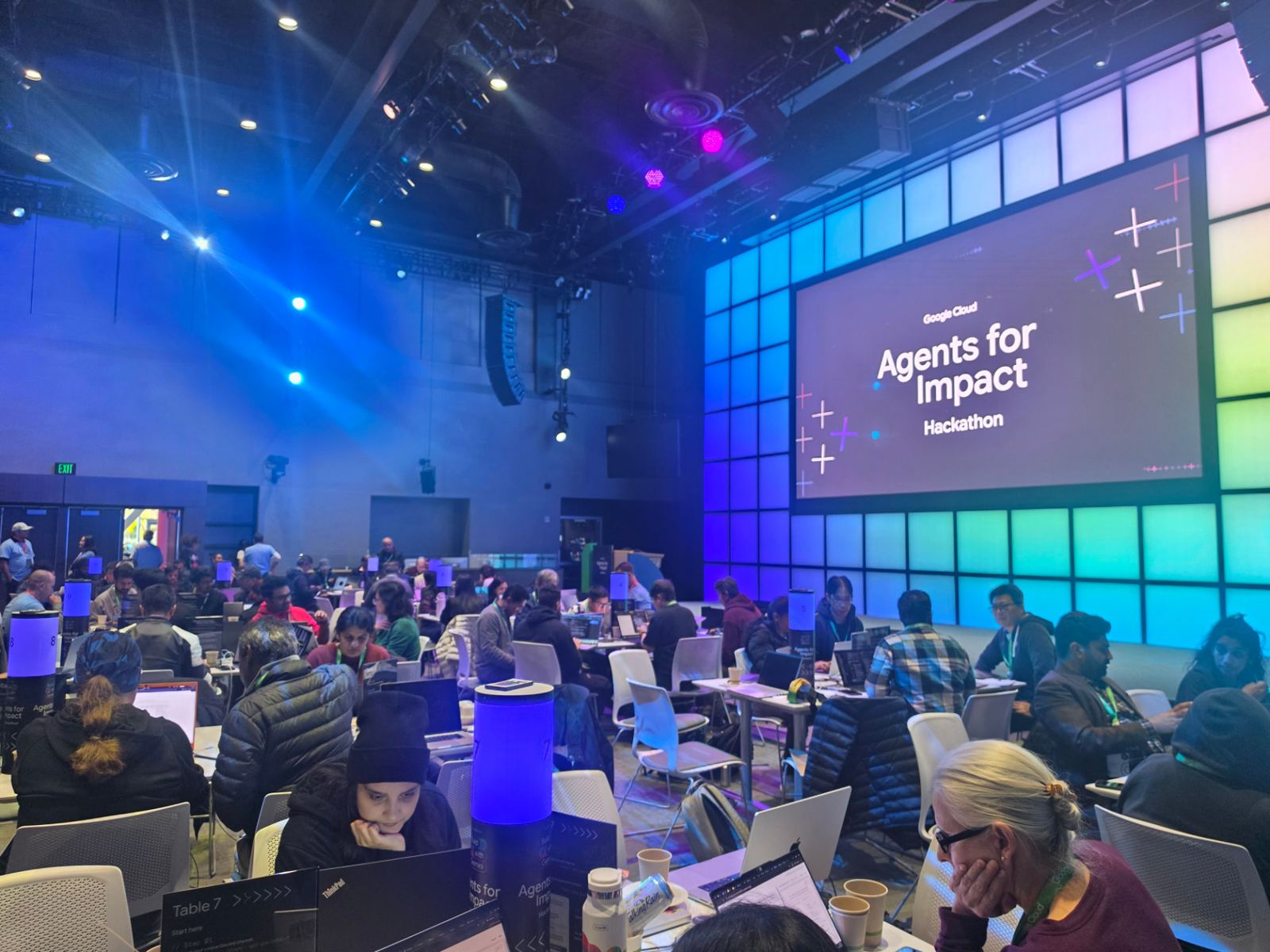
What I learned judging Google Cloud's Agents for Impact Hackathon in Sunnyvale as a Google Cloud AI Developer Expert: the creativity, the energy in the room, and how the best teams turned urban heat data into agents a city could actually use.
iamharshverma.com

A practical enterprise AI agent security checklist covering least-privilege tools, action-bound approvals, prompt injection, audit trails and runtime containment.
iamharshverma.com

Most AI startups don't fail because their models are weak. They fail because customers can't trust what the agent will do next. A practical playbook for founders shipping agentic AI into real businesses.
iamharshverma.com

Published on RSA Conference official library: AI-driven threats move at machine speed, so security must shift from monitoring to autonomous response. Why self-healing systems that isolate, repair and recover on their own are now essential — and how intent, time and interaction put guardrails on defensive automation.
RSA Conference
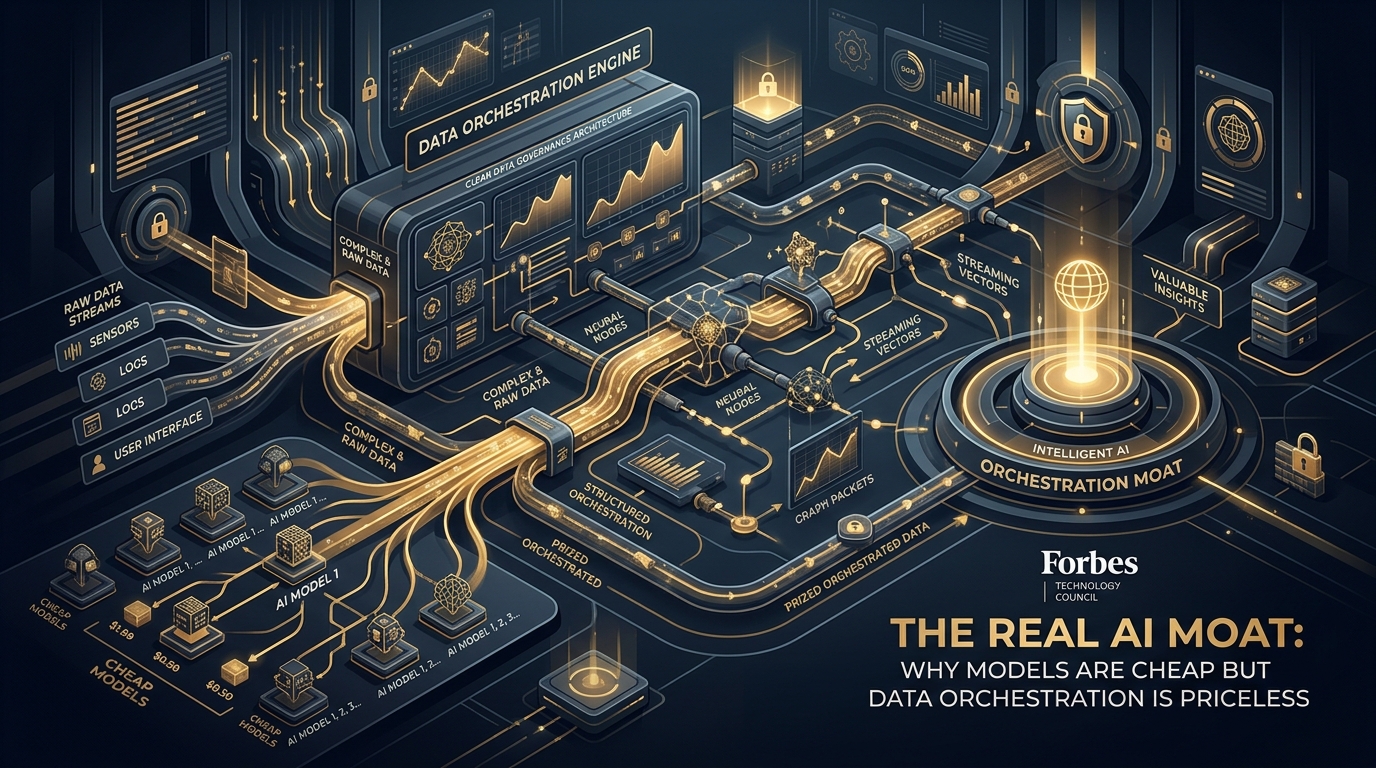
As frontier models commoditize and open-source alternatives catch up, owning raw models offers little defensibility. The true enterprise AI moat lies in continuous data orchestration, clean operational governance, domain-specific data pipelines, and high-fidelity contextual retrieval.
Forbes Council

An architectural examination of the fundamental tension between contextual user personalization and enterprise zero-trust data privacy in modern retrieval and agent ecosystems.
Forbes Council