Engineering implication
Keep model context separate from authoritative state.
// engineering radar · Agentic Systems
Tool-using agents translate model proposals into calls to external systems.
Tool-using agents translate model proposals into calls to external systems. The model selects a candidate operation, but a separate executor must validate arguments, authorization and side-effect boundaries. Tool schemas improve consistency; they do not by themselves make an action safe.

ReAct interleaves reasoning with actions that interact with external environments. [1]
ReAct: Synergizing Reasoning and Acting in Language ModelsYao et al. · arXiv · Paper
OWASP recommends limiting tool functionality, permissions and autonomy to reduce excessive agency. [2]
LLM06:2025 Excessive AgencyOWASP · Engineering guidance
References support the specific statements above. Definitions are paraphrased synthesis; scenarios, diagrams, implementation checks and portfolio connections are independent educational examples, not results reported by these sources.
Use allowlisted operations and validated arguments.
An assistant drafts a service-ticket update. A scoped executor checks the ticket, validates the exact fields and reads the saved ticket back after writing.
A plausible tool call can target the wrong resource, exceed permissions or repeat a destructive action after a timeout.
Connected engineering concerns
These technologies address adjacent design constraints. Connections express conceptual relationships, not citations or measured dependencies.
Independent implementation perspectives · illustrative, not findings reported by the cited sources.
Keep model context separate from authoritative state.
Bound execution time, cost and delegation depth.
Orchestration, coordination and evaluation for systems that plan, use tools and act.
A successful single-agent demonstration says little about what happens when agents share state, retry side effects, disagree or delegate across services. Enterprise workflows need predictable failure semantics around probabilistic decisions.
Portfolio work sharing this technology’s domains. Shared subjects indicate editorial relationships, not citations.
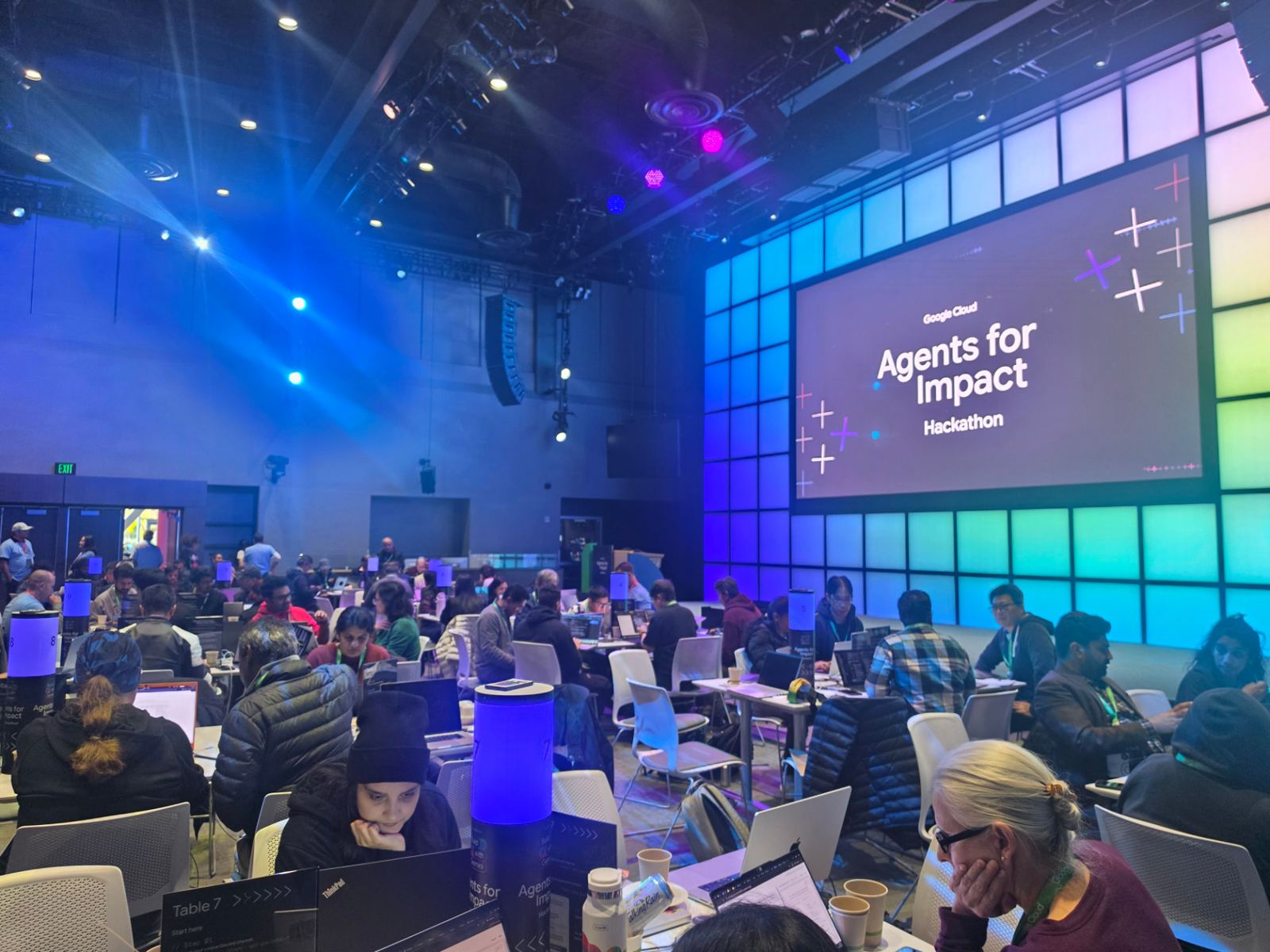
What I learned judging Google Cloud's Agents for Impact Hackathon in Sunnyvale as a Google Cloud AI Developer Expert: the creativity, the energy in the room, and how the best teams turned urban heat data into agents a city could actually use.
iamharshverma.com

A practical enterprise AI agent security checklist covering least-privilege tools, action-bound approvals, prompt injection, audit trails and runtime containment.
iamharshverma.com

Most AI startups don't fail because their models are weak. They fail because customers can't trust what the agent will do next. A practical playbook for founders shipping agentic AI into real businesses.
iamharshverma.com

Published on RSA Conference official library: AI-driven threats move at machine speed, so security must shift from monitoring to autonomous response. Why self-healing systems that isolate, repair and recover on their own are now essential — and how intent, time and interaction put guardrails on defensive automation.
RSA Conference
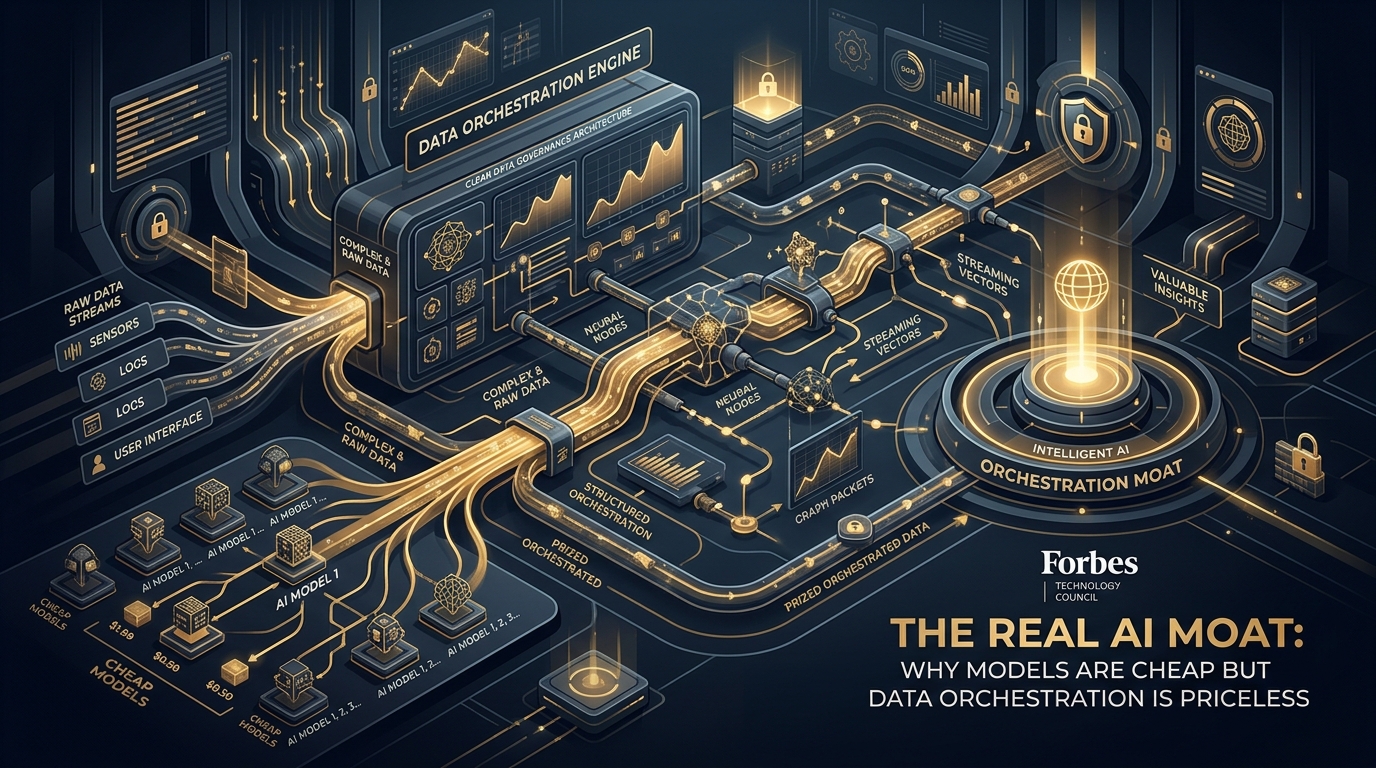
As frontier models commoditize and open-source alternatives catch up, owning raw models offers little defensibility. The true enterprise AI moat lies in continuous data orchestration, clean operational governance, domain-specific data pipelines, and high-fidelity contextual retrieval.
Forbes Council

An architectural examination of the fundamental tension between contextual user personalization and enterprise zero-trust data privacy in modern retrieval and agent ecosystems.
Forbes Council