Engineering implication
Preserve initiating identity throughout delegation.
// engineering radar · AI Security
Agent identity binds automated work to an identifiable actor and an initiating caller.
Agent identity binds automated work to an identifiable actor and an initiating caller. Delegated identity needs provenance, a finite lifetime and a specific capability scope. Authentication answers who is acting; authorization still decides whether this exact action is permitted.

SPIFFE provides cryptographic workload identities for authenticating automated services; this does not itself preserve a human caller's delegated authorization. [1]
SPIFFE OverviewSPIFFE project · Documentation
OWASP warns that generic privileged identities can let an agent act beyond the intended user's permissions. [2]
LLM06:2025 Excessive AgencyOWASP · Engineering guidance
References support the specific statements above. Definitions are paraphrased synthesis; scenarios, diagrams, implementation checks and portfolio connections are independent educational examples, not results reported by these sources.
Carry initiating identity across delegation.
An employee delegates a report task to an agent. Each downstream tool call preserves the employee's scope and records the acting agent without granting broader access.
Delegation can become privilege escalation if the executor substitutes a broadly privileged service account for the caller.
Connected engineering concerns
These technologies address adjacent design constraints. Connections express conceptual relationships, not citations or measured dependencies.
Independent implementation perspectives · illustrative, not findings reported by the cited sources.
Preserve initiating identity throughout delegation.
Do not mistake authentication for action authorization.
Identity, least privilege and runtime controls for agents operating across enterprise boundaries.
An authenticated agent can execute a harmful action using legitimate tools. Prompt injection, excessive permissions and confused-deputy behavior make model-level filtering insufficient as the sole security control.
Portfolio work sharing this technology’s domains. Shared subjects indicate editorial relationships, not citations.

A practical enterprise AI agent security checklist covering least-privilege tools, action-bound approvals, prompt injection, audit trails and runtime containment.
iamharshverma.com

Most AI startups don't fail because their models are weak. They fail because customers can't trust what the agent will do next. A practical playbook for founders shipping agentic AI into real businesses.
iamharshverma.com

Published on RSA Conference official library: AI-driven threats move at machine speed, so security must shift from monitoring to autonomous response. Why self-healing systems that isolate, repair and recover on their own are now essential — and how intent, time and interaction put guardrails on defensive automation.
RSA Conference
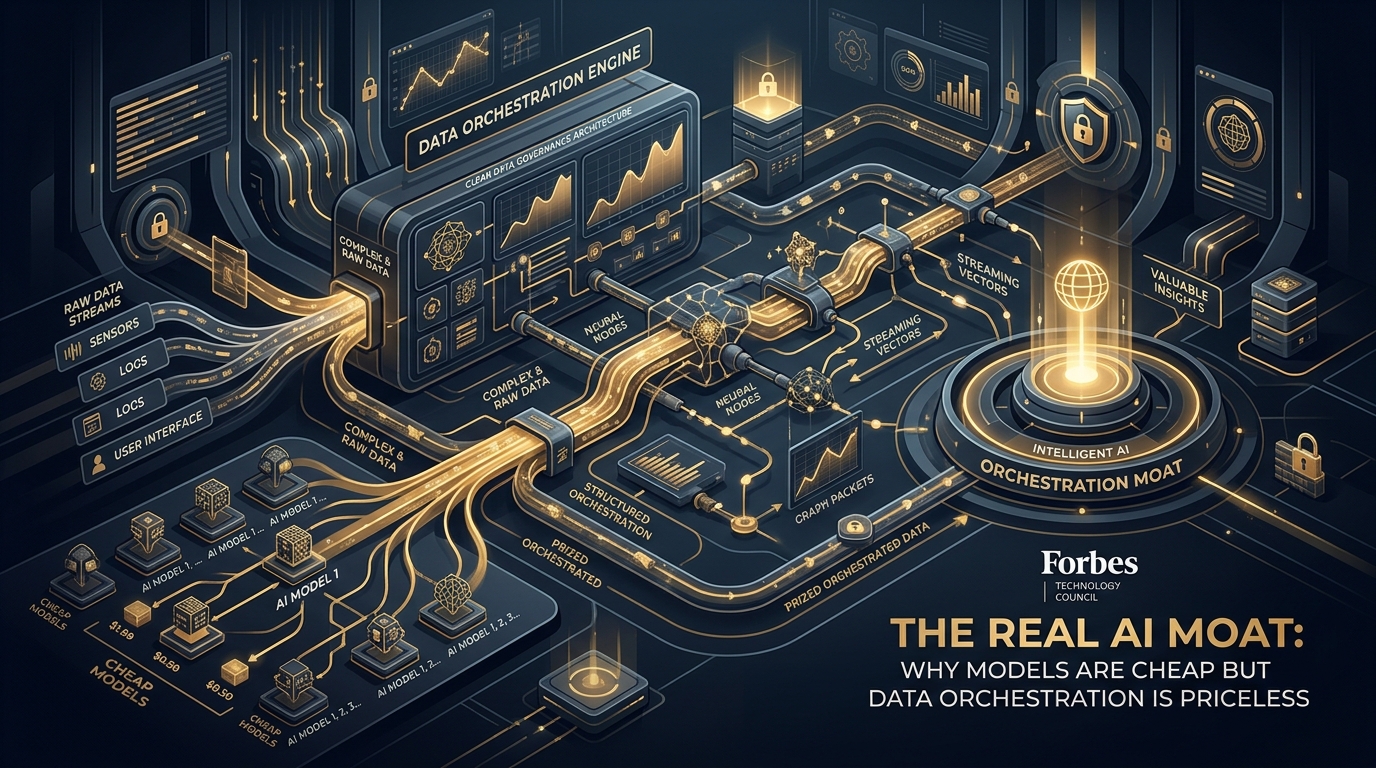
As frontier models commoditize and open-source alternatives catch up, owning raw models offers little defensibility. The true enterprise AI moat lies in continuous data orchestration, clean operational governance, domain-specific data pipelines, and high-fidelity contextual retrieval.
Forbes Council

An architectural examination of the fundamental tension between contextual user personalization and enterprise zero-trust data privacy in modern retrieval and agent ecosystems.
Forbes Council
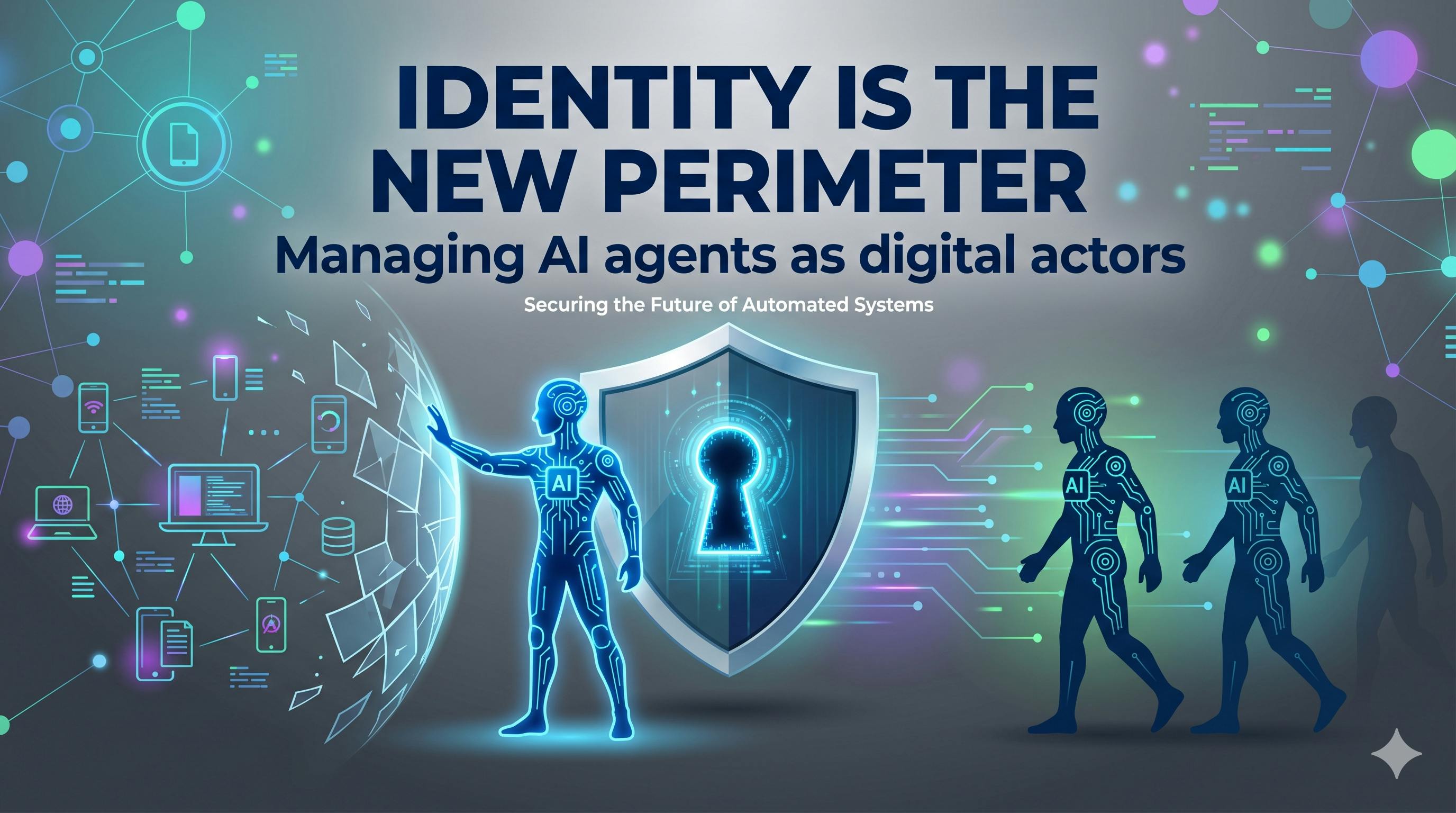
AI agents are transforming cybersecurity from network perimeter defenses to continuous identity-first authorization. Featured on HackerNoon's Cybersecurity Tech Brief podcast on Spotify.
HackerNoon