Engineering implication
Scope evidence to the capability and current context.
// engineering radar · AI Security
Behavioral trust uses observed activity to inform risk decisions in a particular context.
Behavioral trust uses observed activity to inform risk decisions in a particular context. Evidence can help trigger additional review, but historical behavior is not permission to access a resource. Trust signals need freshness, provenance and a clear response to uncertainty.

NIST allows contextual information to inform access policy while rejecting implicit trust. Behavioral trust here is an editorial label, not a standardized score. [1]
Zero Trust Architecture · SP 800-207NIST · Standard
The AI RMF calls for contextual assessment of risk rather than a context-free safety judgment. [2]
Artificial Intelligence Risk Management Framework (AI RMF 1.0)NIST · Standard
References support the specific statements above. Definitions are paraphrased synthesis; scenarios, diagrams, implementation checks and portfolio connections are independent educational examples, not results reported by these sources.
Bind observations to identity, capability and time.
An unusual tool sequence triggers a review step even though the agent has completed similar tasks previously. Explicit access rules still apply.
A reputation score can hide a changed capability, compromised credential or new high-risk context.
Connected engineering concerns
These technologies address adjacent design constraints. Connections express conceptual relationships, not citations or measured dependencies.
Independent implementation perspectives · illustrative, not findings reported by the cited sources.
Scope evidence to the capability and current context.
Never let reputation override explicit access policy.
Identity, least privilege and runtime controls for agents operating across enterprise boundaries.
An authenticated agent can execute a harmful action using legitimate tools. Prompt injection, excessive permissions and confused-deputy behavior make model-level filtering insufficient as the sole security control.
Portfolio work sharing this technology’s domains. Shared subjects indicate editorial relationships, not citations.

A practical enterprise AI agent security checklist covering least-privilege tools, action-bound approvals, prompt injection, audit trails and runtime containment.
iamharshverma.com

Most AI startups don't fail because their models are weak. They fail because customers can't trust what the agent will do next. A practical playbook for founders shipping agentic AI into real businesses.
iamharshverma.com

Published on RSA Conference official library: AI-driven threats move at machine speed, so security must shift from monitoring to autonomous response. Why self-healing systems that isolate, repair and recover on their own are now essential — and how intent, time and interaction put guardrails on defensive automation.
RSA Conference
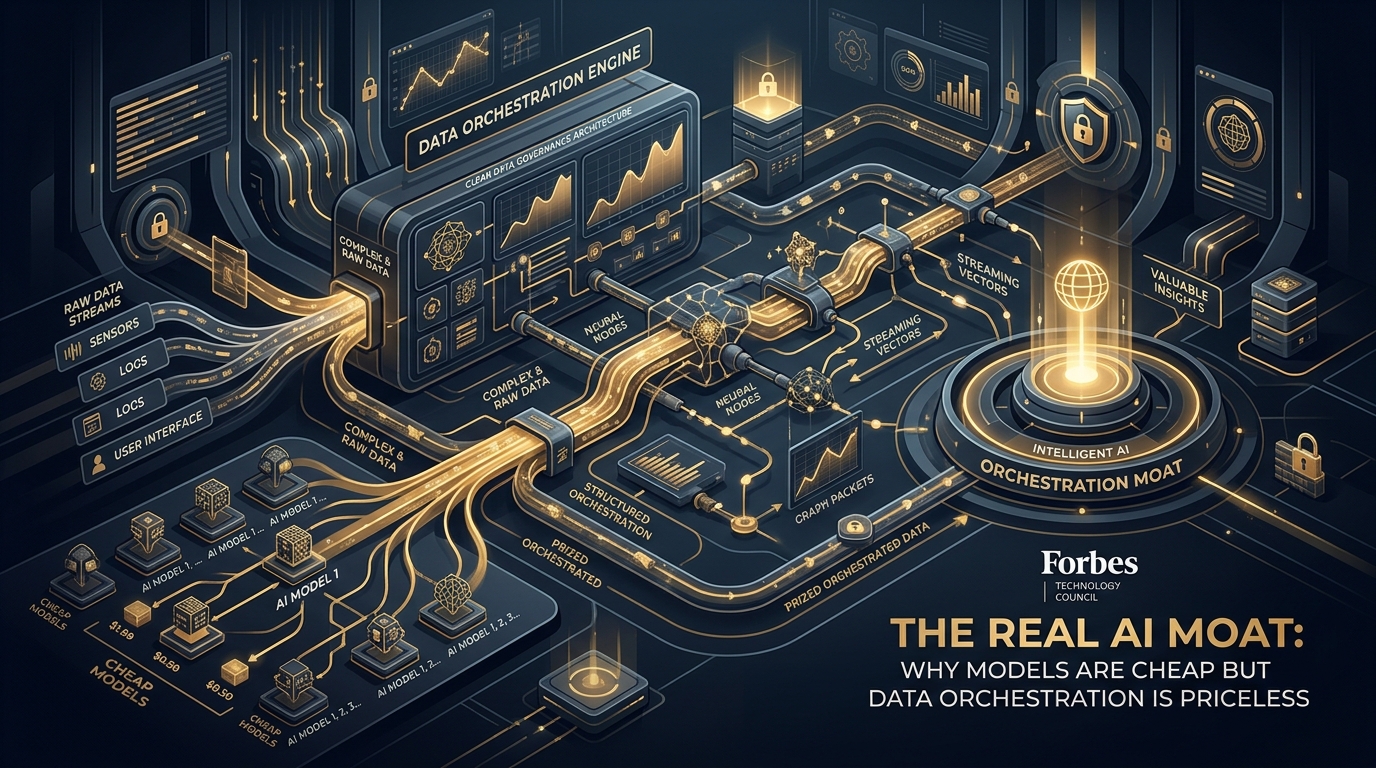
As frontier models commoditize and open-source alternatives catch up, owning raw models offers little defensibility. The true enterprise AI moat lies in continuous data orchestration, clean operational governance, domain-specific data pipelines, and high-fidelity contextual retrieval.
Forbes Council

An architectural examination of the fundamental tension between contextual user personalization and enterprise zero-trust data privacy in modern retrieval and agent ecosystems.
Forbes Council
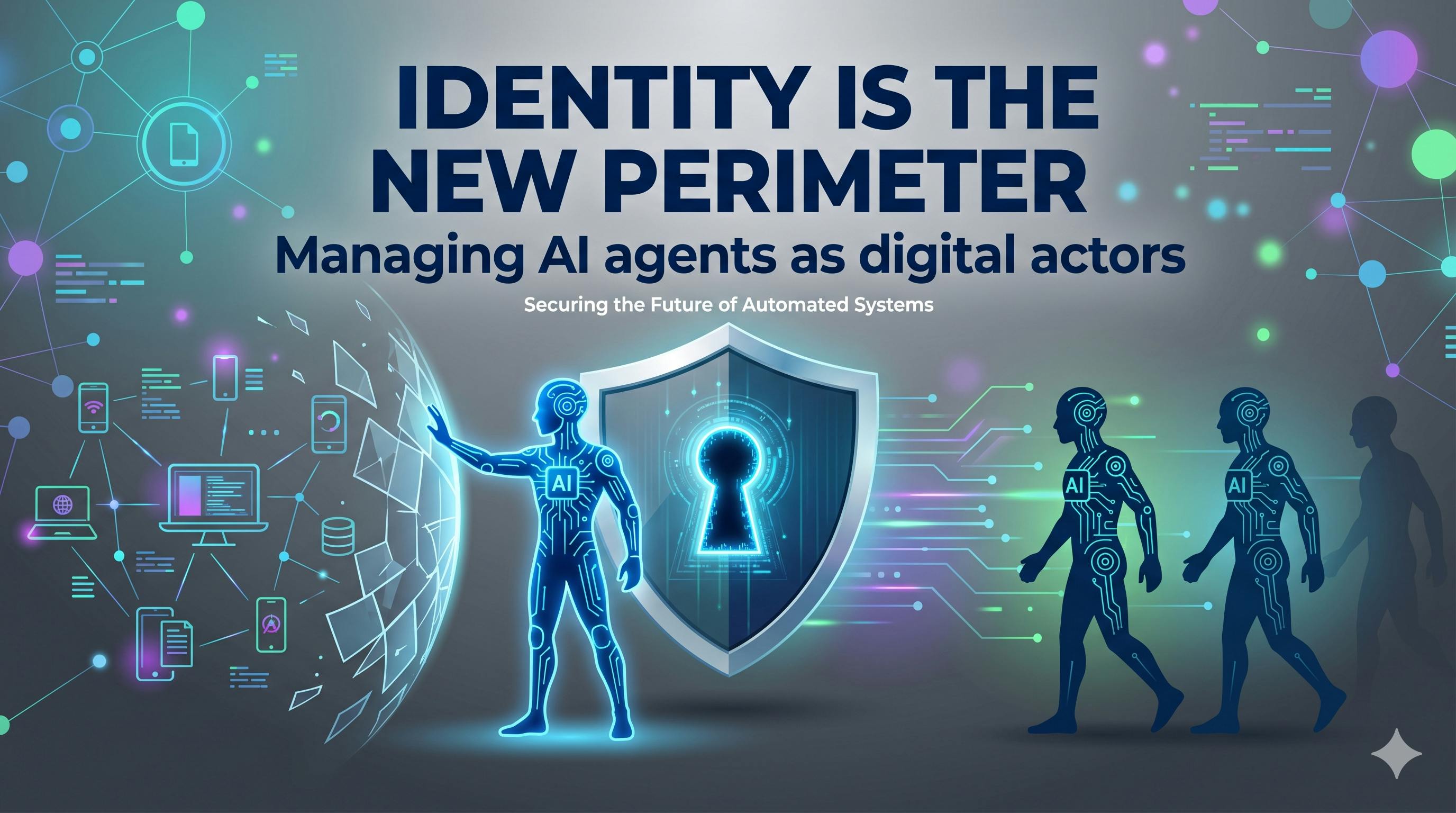
AI agents are transforming cybersecurity from network perimeter defenses to continuous identity-first authorization. Featured on HackerNoon's Cybersecurity Tech Brief podcast on Spotify.
HackerNoon