Engineering implication
Authorize actions outside the model.
// engineering radar · AI Security
Non-human identities represent services, workloads and automation rather than individual people.
Non-human identities represent services, workloads and automation rather than individual people. Each needs an accountable owner and a narrow permission set. Short-lived credentials and a maintained identity inventory reduce the risks of forgotten access and long-lived secrets.
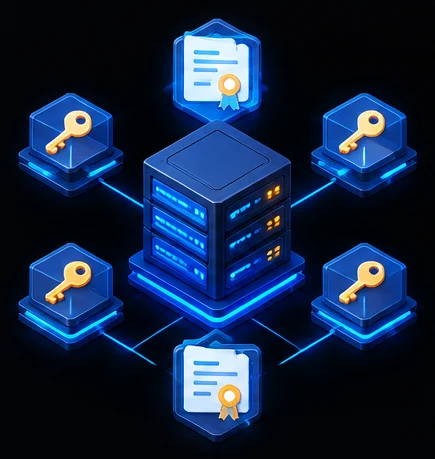
SPIFFE supports short-lived identity documents for workloads rather than relying solely on shared permanent secrets. [1]
SPIFFE OverviewSPIFFE project · Documentation
NIST zero trust rejects implicit access trust based on network location or asset ownership. [2]
Zero Trust Architecture · SP 800-207NIST · Standard
References support the specific statements above. Definitions are paraphrased synthesis; scenarios, diagrams, implementation checks and portfolio connections are independent educational examples, not results reported by these sources.
Record an owner and purpose for every workload identity.
A retrieval service receives a short-lived workload credential limited to a permitted index instead of sharing a permanent administrative key.
Orphaned identities and copied secrets can preserve access long after the original workflow has been retired.
Connected engineering concerns
These technologies address adjacent design constraints. Connections express conceptual relationships, not citations or measured dependencies.
Independent implementation perspectives · illustrative, not findings reported by the cited sources.
Authorize actions outside the model.
Separate retrieval permissions from execution permissions.
Identity, least privilege and runtime controls for agents operating across enterprise boundaries.
An authenticated agent can execute a harmful action using legitimate tools. Prompt injection, excessive permissions and confused-deputy behavior make model-level filtering insufficient as the sole security control.
Portfolio work sharing this technology’s domains. Shared subjects indicate editorial relationships, not citations.
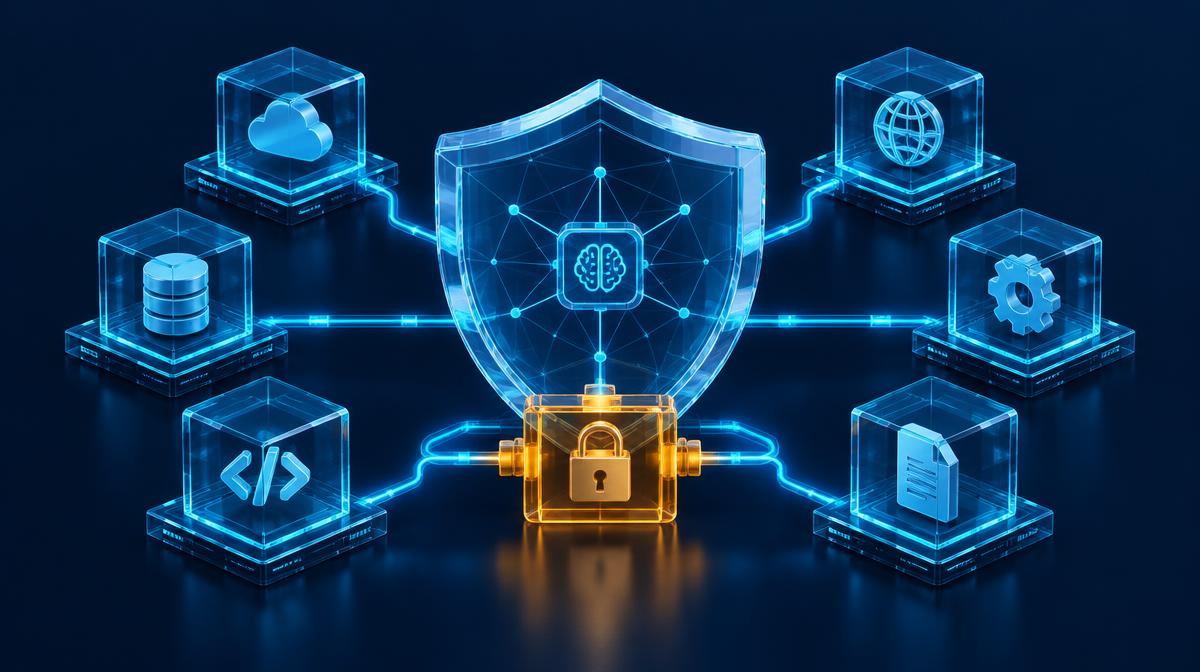
A practical enterprise AI agent security checklist covering least-privilege tools, action-bound approvals, prompt injection, audit trails and runtime containment.
iamharshverma.com
Published on RSA Conference official library: AI-driven threats move at machine speed, so security must shift from monitoring to autonomous response. Why self-healing systems that isolate, repair and recover on their own are now essential — and how intent, time and interaction put guardrails on defensive automation.
RSA Conference
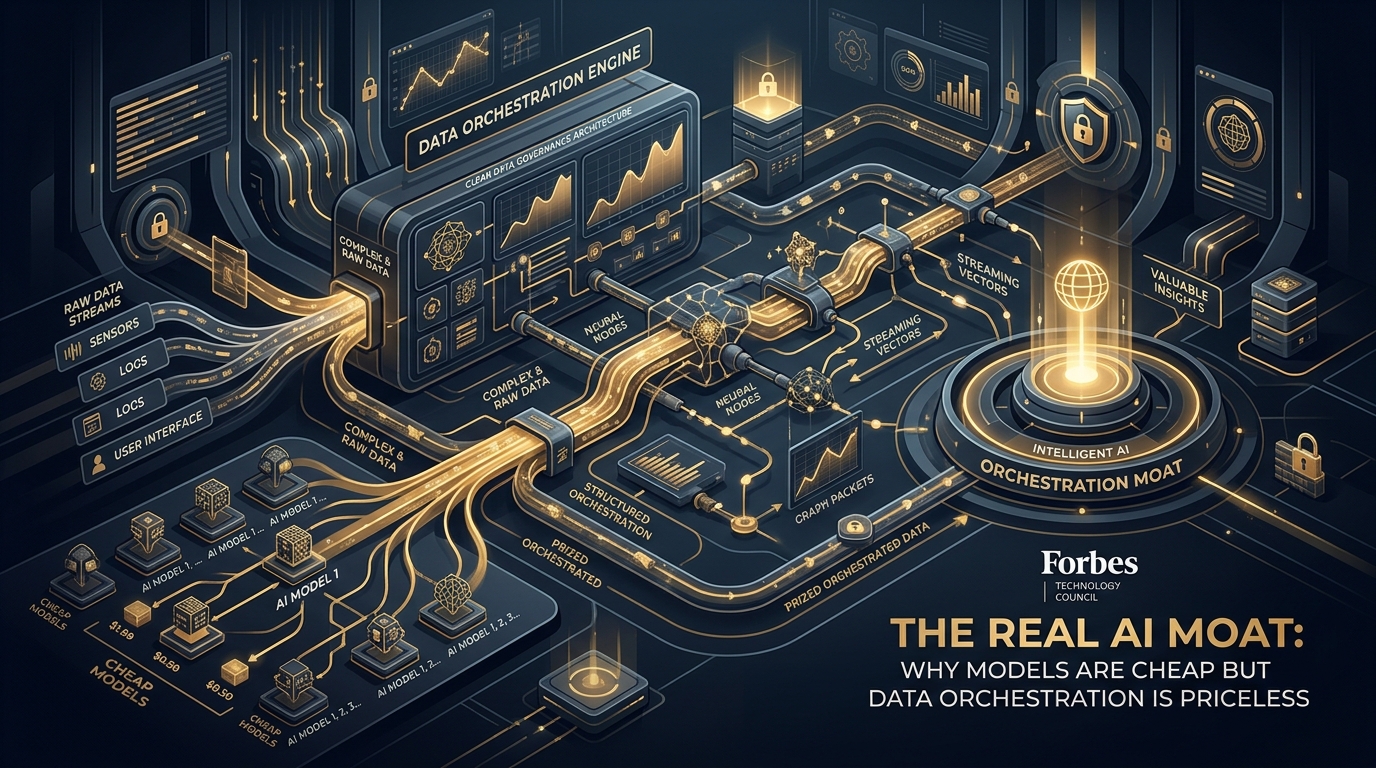
As frontier models commoditize and open-source alternatives catch up, owning raw models offers little defensibility. The true enterprise AI moat lies in continuous data orchestration, clean operational governance, domain-specific data pipelines, and high-fidelity contextual retrieval.
Forbes Council

An architectural examination of the fundamental tension between contextual user personalization and enterprise zero-trust data privacy in modern retrieval and agent ecosystems.
Forbes Council
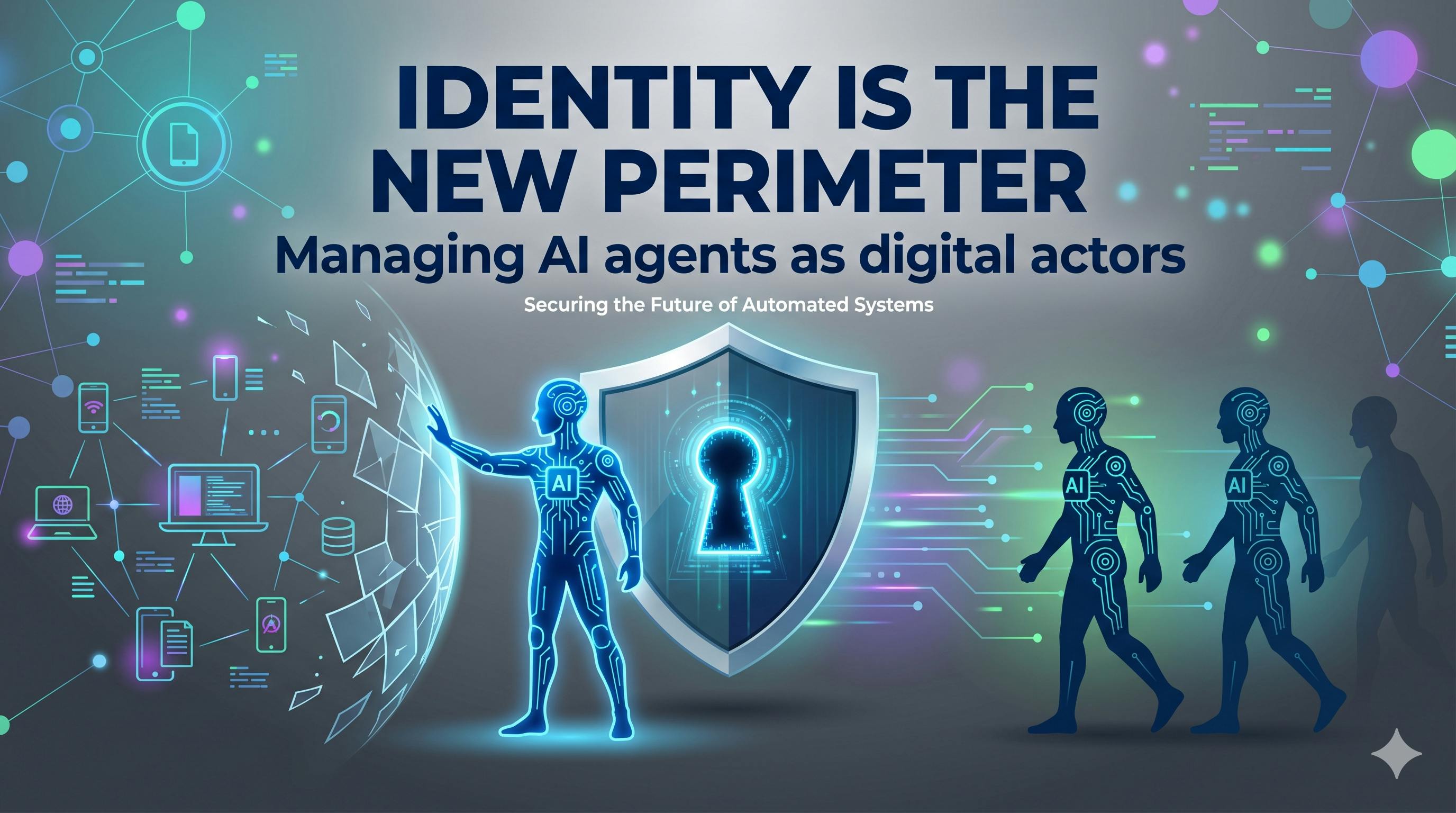
AI agents are transforming cybersecurity from network perimeter defenses to continuous identity-first authorization. Featured on HackerNoon's Cybersecurity Tech Brief podcast on Spotify.
HackerNoon
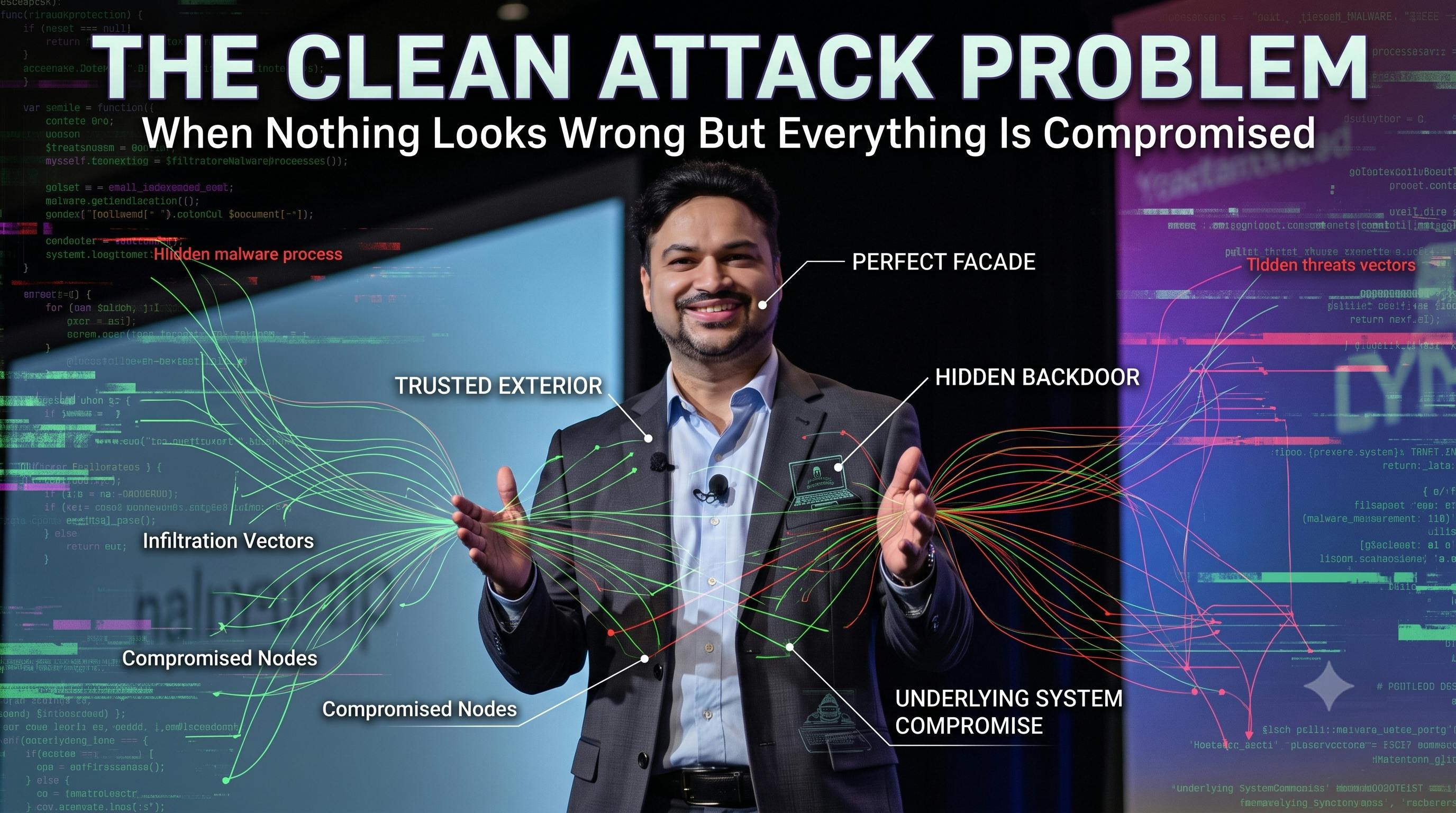
Modern cyber threats no longer trigger noisy alarms. By abusing authorized API credentials and valid business logic, AI-driven attacks operate entirely within legitimate parameters.
HackerNoon