Engineering implication
Preserve source provenance and revalidate freshness.
// engineering radar · Enterprise AI
Retrieval-augmented generation grounds model responses in retrieved material.
Retrieval-augmented generation grounds model responses in retrieved material. Indexing, retrieval and answer generation are distinct stages with distinct failure modes. A relevant passage can support an answer only if the caller may access it and the final claim is actually supported by the cited source.

The original RAG paper combines a parametric generator with retrieved non-parametric information for knowledge-intensive tasks. [1]
Retrieval-Augmented Generation for Knowledge-Intensive NLP TasksLewis et al. · arXiv · Paper
OWASP notes that externally retrieved content can carry indirect prompt injection; retrieval is not an authority boundary. [2]
LLM01:2025 Prompt InjectionOWASP · Engineering guidance
References support the specific statements above. Definitions are paraphrased synthesis; scenarios, diagrams, implementation checks and portfolio connections are independent educational examples, not results reported by these sources.
Enforce access filtering before returning passages.
An internal policy assistant retrieves permitted passages, reports their versions and declines to answer when no reliable source supports the requested claim.
A fluent answer may cite an irrelevant, outdated or inaccessible source while appearing well grounded.
Connected engineering concerns
These technologies address adjacent design constraints. Connections express conceptual relationships, not citations or measured dependencies.
Independent implementation perspectives · illustrative, not findings reported by the cited sources.
Preserve source provenance and revalidate freshness.
Treat retrieved content as untrusted input.
Context, orchestration and observable execution across enterprise systems.
Stale retrieval can invalidate a decision even when the answer sounds plausible.
Portfolio work sharing this technology’s domains. Shared subjects indicate editorial relationships, not citations.
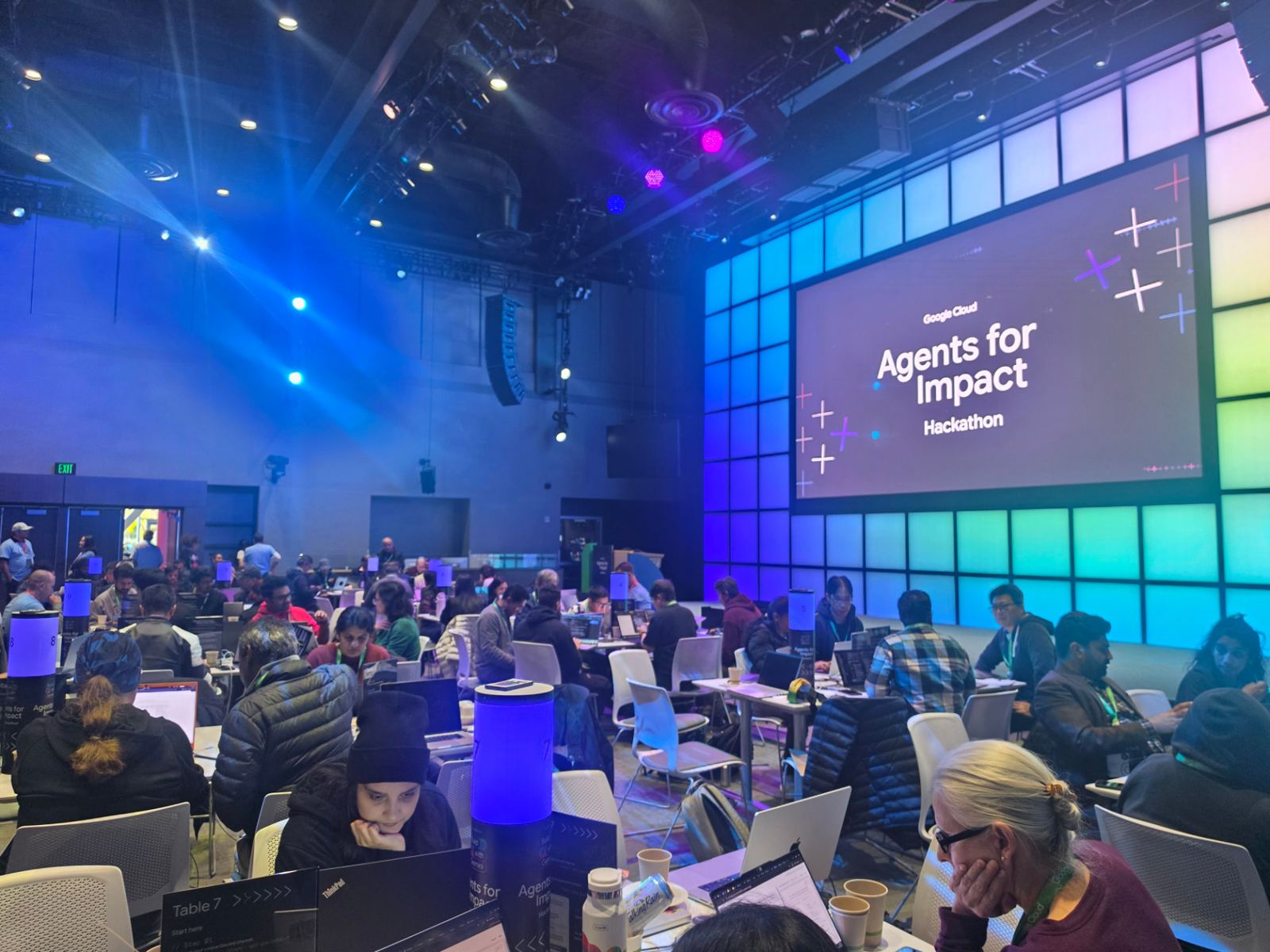
What I learned judging Google Cloud's Agents for Impact Hackathon in Sunnyvale as a Google Cloud AI Developer Expert: the creativity, the energy in the room, and how the best teams turned urban heat data into agents a city could actually use.
iamharshverma.com

A practical enterprise AI agent security checklist covering least-privilege tools, action-bound approvals, prompt injection, audit trails and runtime containment.
iamharshverma.com

Most AI startups don't fail because their models are weak. They fail because customers can't trust what the agent will do next. A practical playbook for founders shipping agentic AI into real businesses.
iamharshverma.com

Published on RSA Conference official library: AI-driven threats move at machine speed, so security must shift from monitoring to autonomous response. Why self-healing systems that isolate, repair and recover on their own are now essential — and how intent, time and interaction put guardrails on defensive automation.
RSA Conference
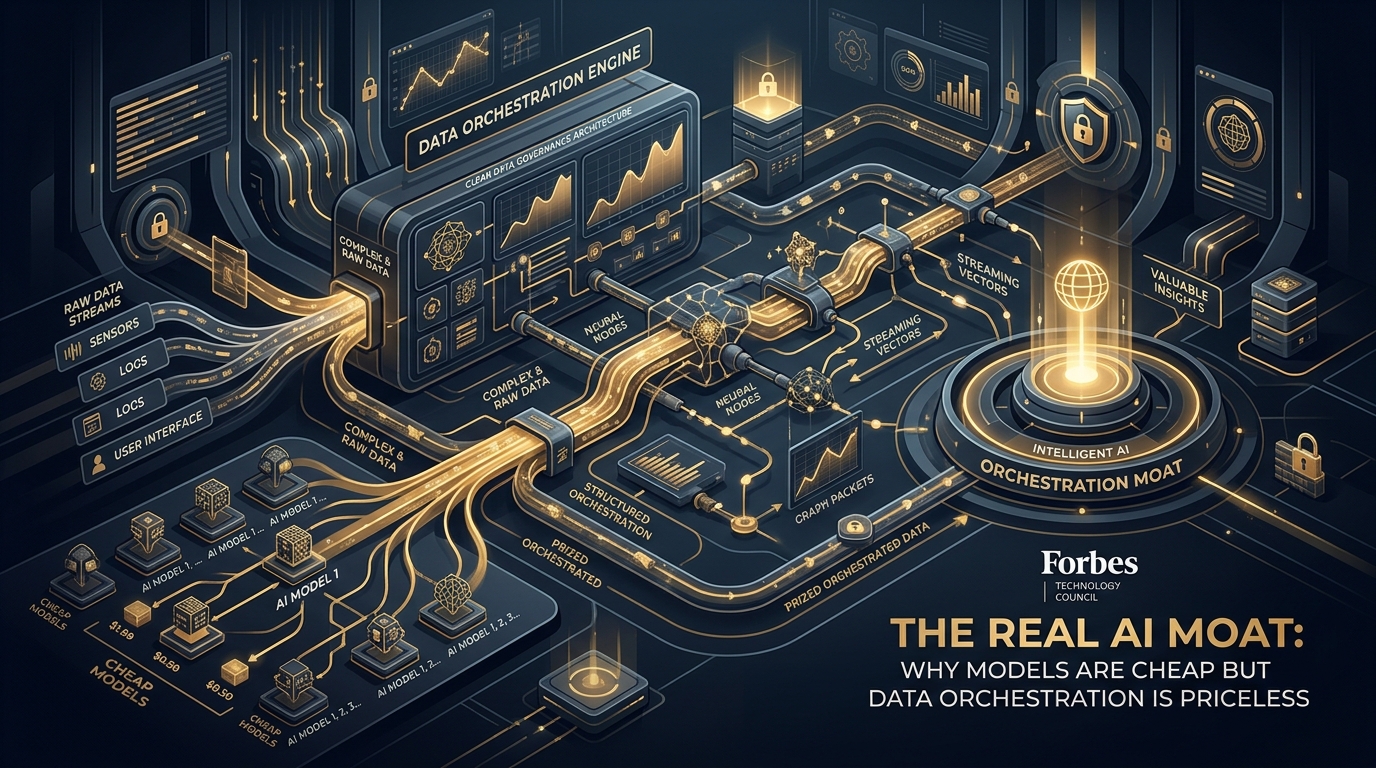
As frontier models commoditize and open-source alternatives catch up, owning raw models offers little defensibility. The true enterprise AI moat lies in continuous data orchestration, clean operational governance, domain-specific data pipelines, and high-fidelity contextual retrieval.
Forbes Council

An architectural examination of the fundamental tension between contextual user personalization and enterprise zero-trust data privacy in modern retrieval and agent ecosystems.
Forbes Council