Engineering implication
Separate model context from authoritative state.
// engineering radar · Enterprise AI
Context engineering assembles the information a model needs for a specific task.
Context engineering assembles the information a model needs for a specific task. Selection, ordering, provenance and token budgets influence what the model can reason about. Good context is relevant, current and permitted; simply increasing the amount of text can bury critical evidence.

Anthropic describes curating relevant context under token constraints, including strategies for long-running agents. [1]
Effective context engineering for AI agentsAnthropic · Engineering guidance
W3C PROV represents the entities, activities and people involved in producing information. [2]
PROV-Overview: An Overview of the PROV Family of DocumentsW3C · Standard
References support the specific statements above. Definitions are paraphrased synthesis; scenarios, diagrams, implementation checks and portfolio connections are independent educational examples, not results reported by these sources.
Retain source identity and freshness information.
An assistant receives the latest permitted policy, the current request state and only the supporting passages needed for a decision.
Stale, contradictory or excessive context can overwhelm the relevant evidence and introduce untrusted instructions.
Connected engineering concerns
These technologies address adjacent design constraints. Connections express conceptual relationships, not citations or measured dependencies.
Independent implementation perspectives · illustrative, not findings reported by the cited sources.
Separate model context from authoritative state.
Propagate trace IDs across retrieval and execution.
Context, orchestration and observable execution across enterprise systems.
Stale retrieval can invalidate a decision even when the answer sounds plausible.
Portfolio work sharing this technology’s domains. Shared subjects indicate editorial relationships, not citations.
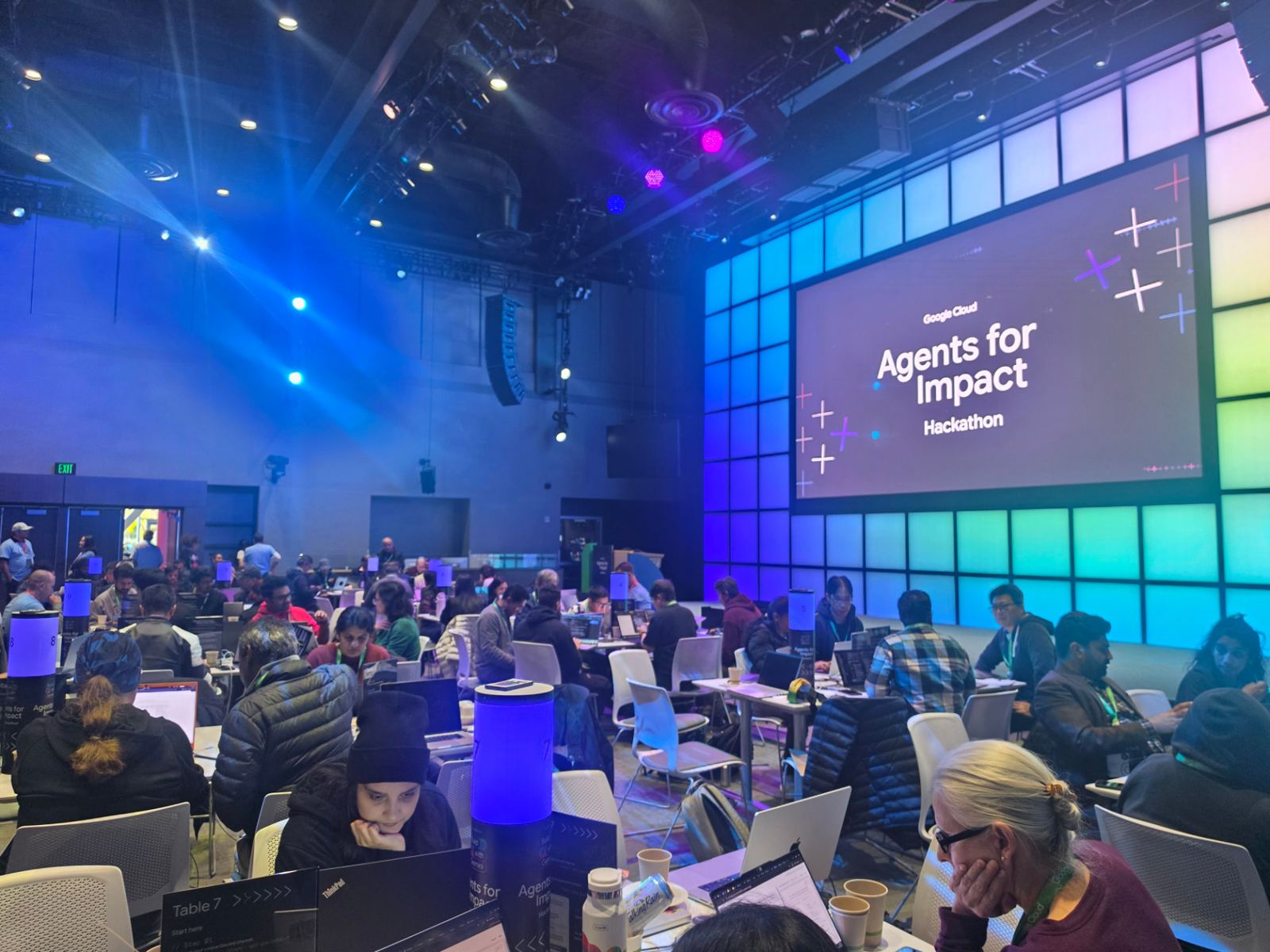
What I learned judging Google Cloud's Agents for Impact Hackathon in Sunnyvale as a Google Cloud AI Developer Expert: the creativity, the energy in the room, and how the best teams turned urban heat data into agents a city could actually use.
iamharshverma.com

A practical enterprise AI agent security checklist covering least-privilege tools, action-bound approvals, prompt injection, audit trails and runtime containment.
iamharshverma.com

Most AI startups don't fail because their models are weak. They fail because customers can't trust what the agent will do next. A practical playbook for founders shipping agentic AI into real businesses.
iamharshverma.com

Published on RSA Conference official library: AI-driven threats move at machine speed, so security must shift from monitoring to autonomous response. Why self-healing systems that isolate, repair and recover on their own are now essential — and how intent, time and interaction put guardrails on defensive automation.
RSA Conference
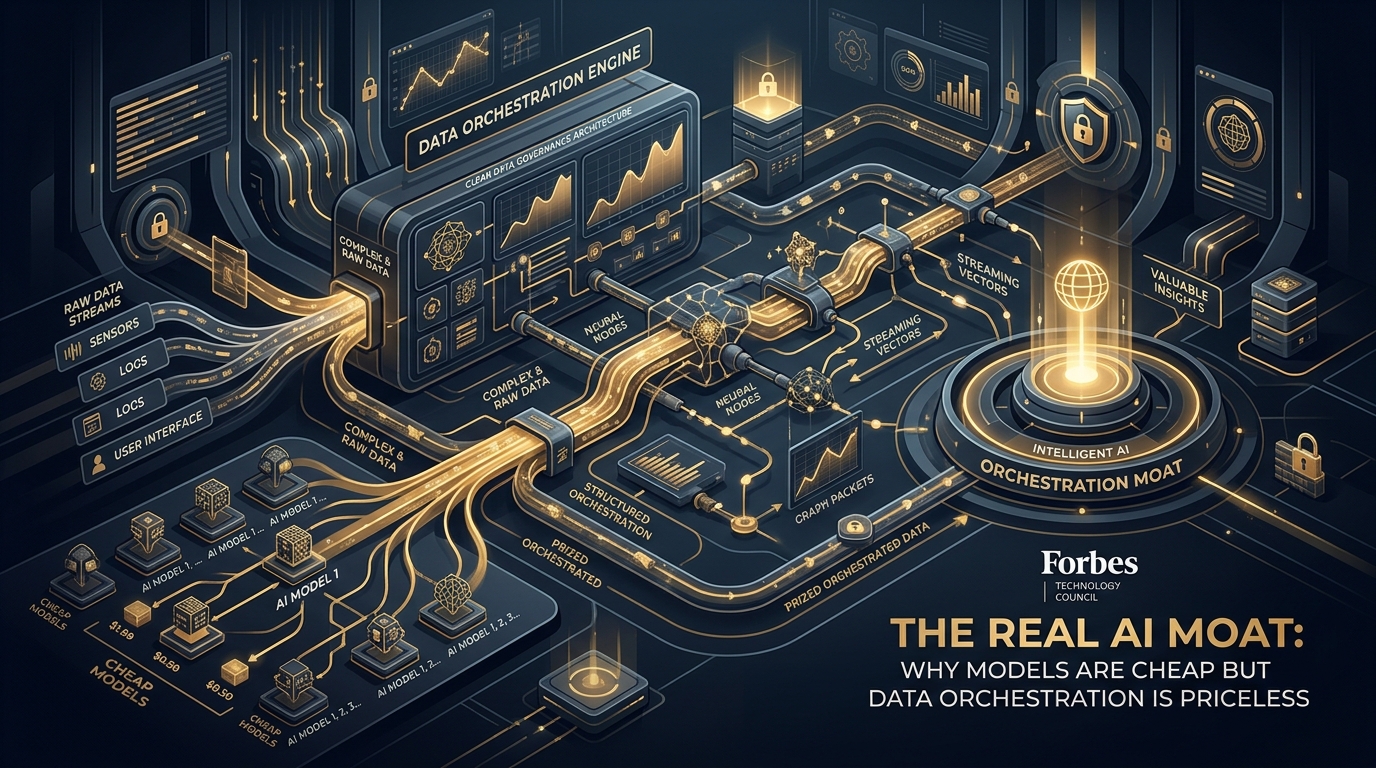
As frontier models commoditize and open-source alternatives catch up, owning raw models offers little defensibility. The true enterprise AI moat lies in continuous data orchestration, clean operational governance, domain-specific data pipelines, and high-fidelity contextual retrieval.
Forbes Council

An architectural examination of the fundamental tension between contextual user personalization and enterprise zero-trust data privacy in modern retrieval and agent ecosystems.
Forbes Council