Duplicate event delivery
A worker completes a task but its acknowledgment is lost. A second worker should detect the completed operation rather than repeat its side effects.
// research & expertise · personal technical perspective
Resilient data pipelines, shared state and scalable infrastructure for enterprise intelligence.
Research thesis
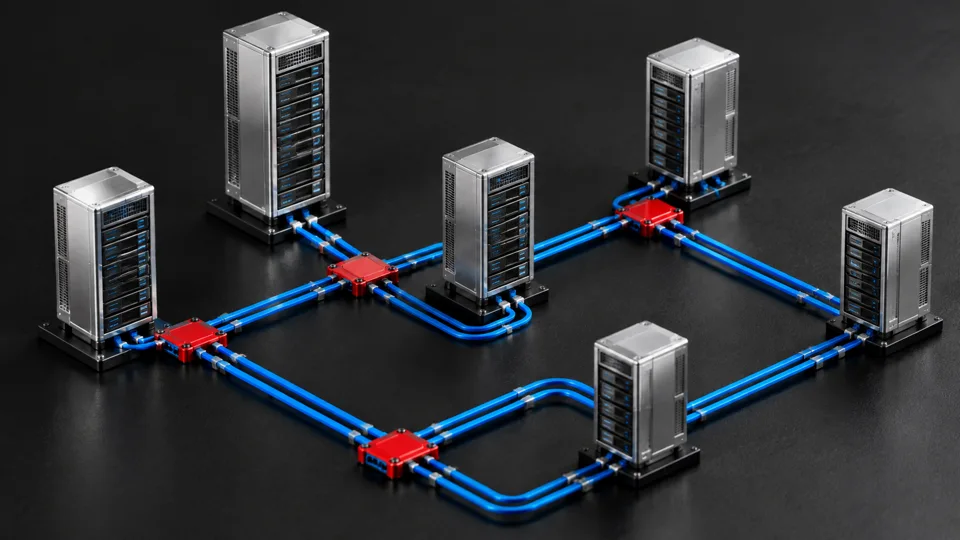
AI workflows cross queues, storage layers and independent services. Partial failures, stale state and duplicate delivery can undermine an otherwise capable model. These personal design perspectives connect distributed-systems fundamentals to dependable AI execution.
These are personal technical perspectives and proposed design patterns, not employer-endorsed architecture or claims of experimentally validated findings.
Store workflow checkpoints outside model context. Version writes and identify the authoritative owner of each record so retries and parallel workers do not silently overwrite decisions.
Assume messages may be delivered more than once. Use operation identifiers, deduplication windows and reconciliation before repeating externally visible actions.
Bound queue lengths and worker concurrency. Isolate tenants and workloads so a slow model or failing tool cannot exhaust every shared resource.
Propagate trace identifiers through retrieval, inference and tool execution. Inspect queue delay, stale inputs and failed writes alongside model outputs.
A worker completes a task but its acknowledgment is lost. A second worker should detect the completed operation rather than repeat its side effects.
An agent acts on an outdated record. Revalidate critical resource versions before committing a change and restart planning when assumptions no longer hold.
Part of the Connected Knowledge Graph
101 related works · 9 content types
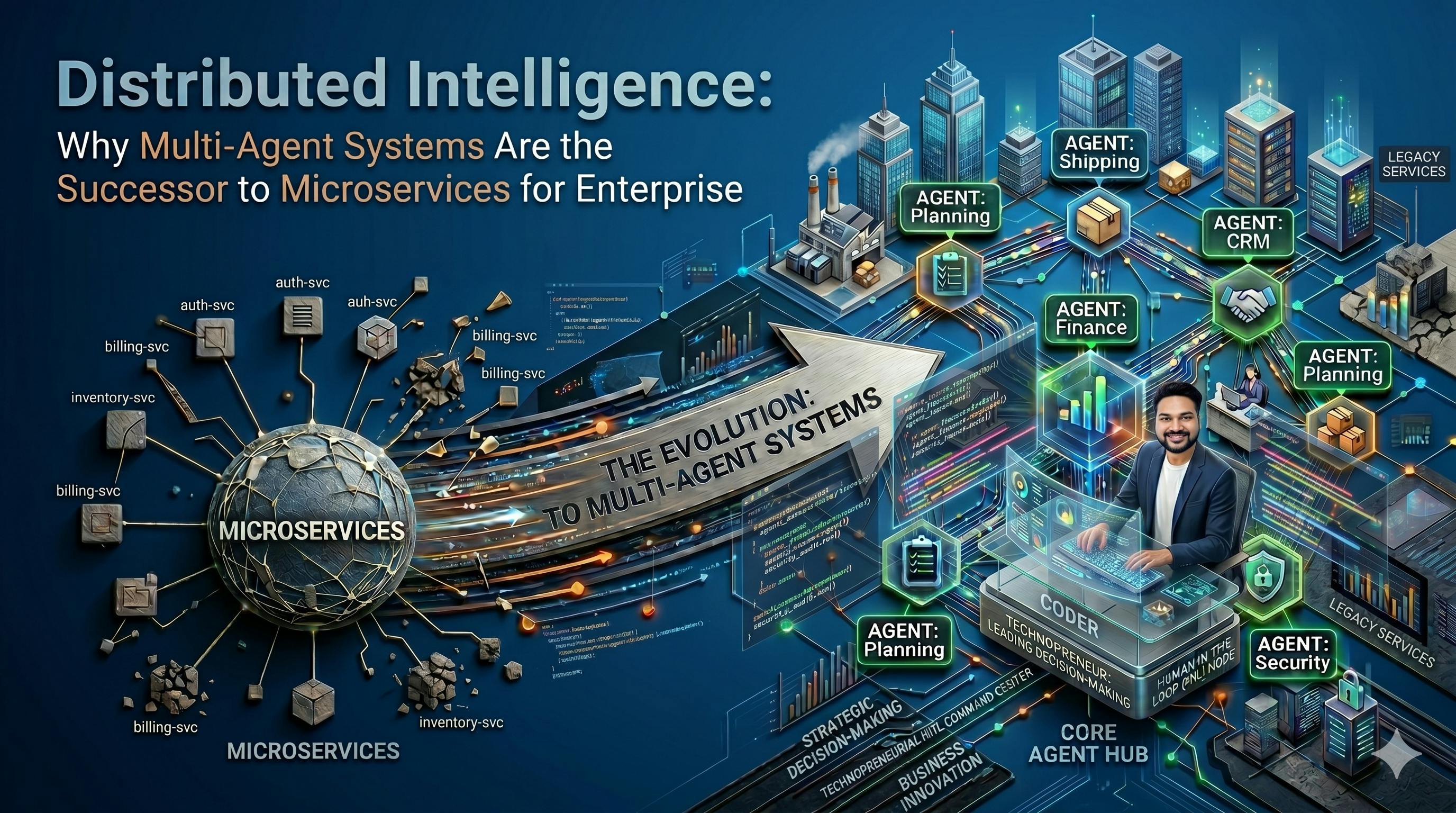
Just as microservices decomposed monolithic codebases, autonomous multi-agent networks are decomposing complex reasoning workflows into distributed, collaborative nodes.
HackerNoon

A source-based review of separate chaining, map operations and the correctness lessons in a public educational implementation.
Public source review
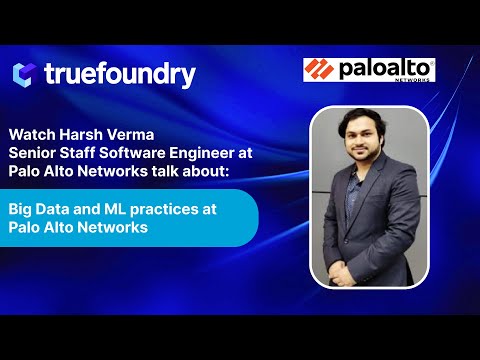
Production machine learning engineering patterns, distributed feature pipelines, model-serving at scale, latency and prompt injection defenses, and automated deployment architectures at Palo Alto Networks.
TrueML Talks #35

Empowering engineers globally through verified expertise in cloud scalability, AI pipelines, and distributed architectures.
Google Developers
Published · Presents a novel architecture addressing the complexity of ingesting, validating, and managing real-time streaming data from heterogeneous IoT devices in parallel. Formulates a secure, low-latency edge-computing ingestion pipeline capable of sub-millisecond dispatch and tamper-evident stream verification.
IEEE Xplore
Orchestration, coordination and evaluation for systems that plan, use tools and act.
Personal technical perspective