Engineering implication
Assign an accountable owner.
// engineering radar · Responsible AI
Explainability makes a system's outputs and decision process understandable to the intended audience.
Explainability makes a system's outputs and decision process understandable to the intended audience. Source provenance, decision records and uncertainty can be more useful than a fluent generated explanation. A model's narrative should not be treated as a faithful record of the computations that produced its answer.

NIST's four principles distinguish explanation, meaningfulness, explanation accuracy and knowledge limits. [1]
Four Principles of Explainable Artificial Intelligence · NISTIR 8312NIST · Standard
W3C provenance records can expose production history; provenance alone does not guarantee truth or a faithful explanation. [2]
PROV-Overview: An Overview of the PROV Family of DocumentsW3C · Standard
References support the specific statements above. Definitions are paraphrased synthesis; scenarios, diagrams, implementation checks and portfolio connections are independent educational examples, not results reported by these sources.
Distinguish source evidence from generated interpretation.
A recommendation includes the actual supporting records, the applied decision rule and a way to challenge missing or incorrect evidence.
A convincing post-hoc explanation can misrepresent the source evidence or hide important limitations.
Connected engineering concerns
These technologies address adjacent design constraints. Connections express conceptual relationships, not citations or measured dependencies.
Independent implementation perspectives · illustrative, not findings reported by the cited sources.
Assign an accountable owner.
Require approval for high-impact irreversible actions.
Human oversight, evidence and accountable boundaries for automated decisions.
A model-generated assessment is not independent verification.
Portfolio work sharing this technology’s domains. Shared subjects indicate editorial relationships, not citations.

A practical enterprise AI agent security checklist covering least-privilege tools, action-bound approvals, prompt injection, audit trails and runtime containment.
iamharshverma.com

Most AI startups don't fail because their models are weak. They fail because customers can't trust what the agent will do next. A practical playbook for founders shipping agentic AI into real businesses.
iamharshverma.com

Published on RSA Conference official library: AI-driven threats move at machine speed, so security must shift from monitoring to autonomous response. Why self-healing systems that isolate, repair and recover on their own are now essential — and how intent, time and interaction put guardrails on defensive automation.
RSA Conference
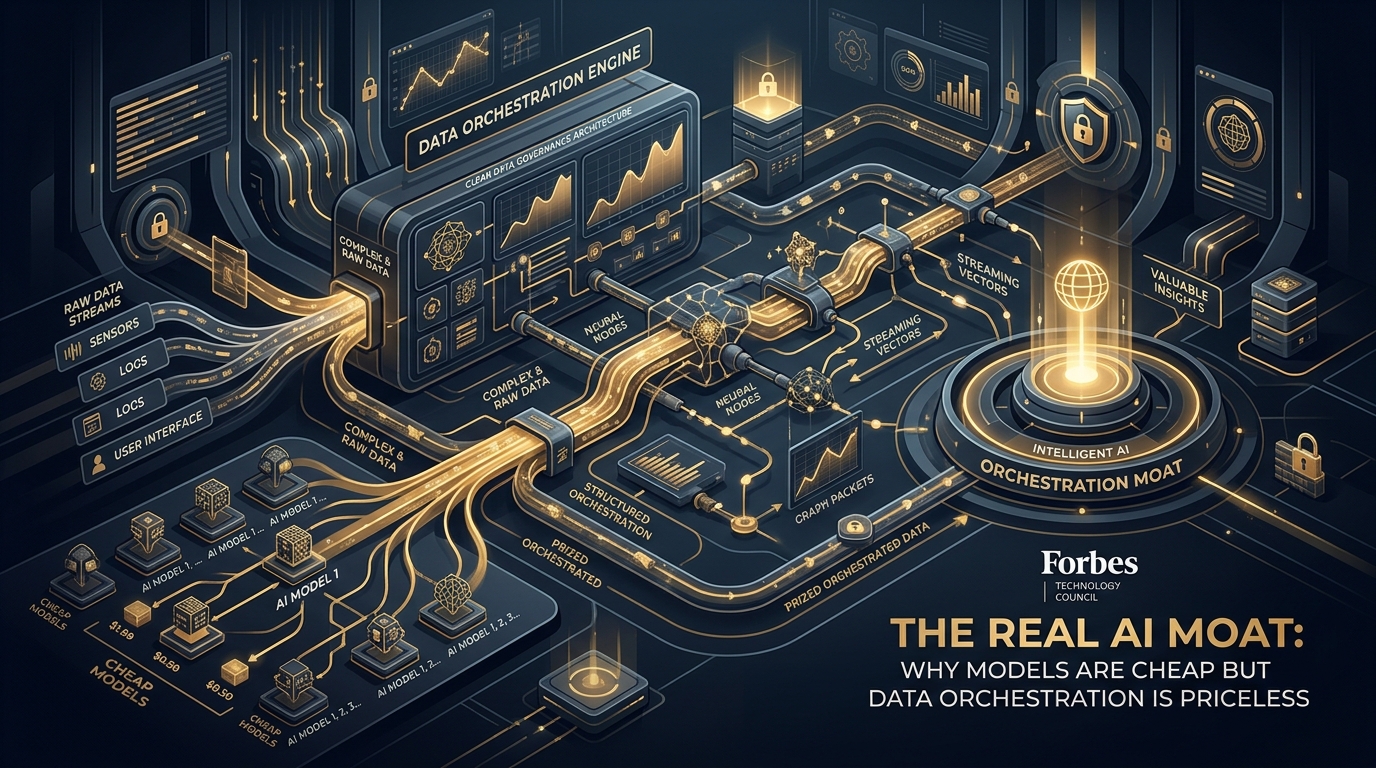
As frontier models commoditize and open-source alternatives catch up, owning raw models offers little defensibility. The true enterprise AI moat lies in continuous data orchestration, clean operational governance, domain-specific data pipelines, and high-fidelity contextual retrieval.
Forbes Council

An architectural examination of the fundamental tension between contextual user personalization and enterprise zero-trust data privacy in modern retrieval and agent ecosystems.
Forbes Council
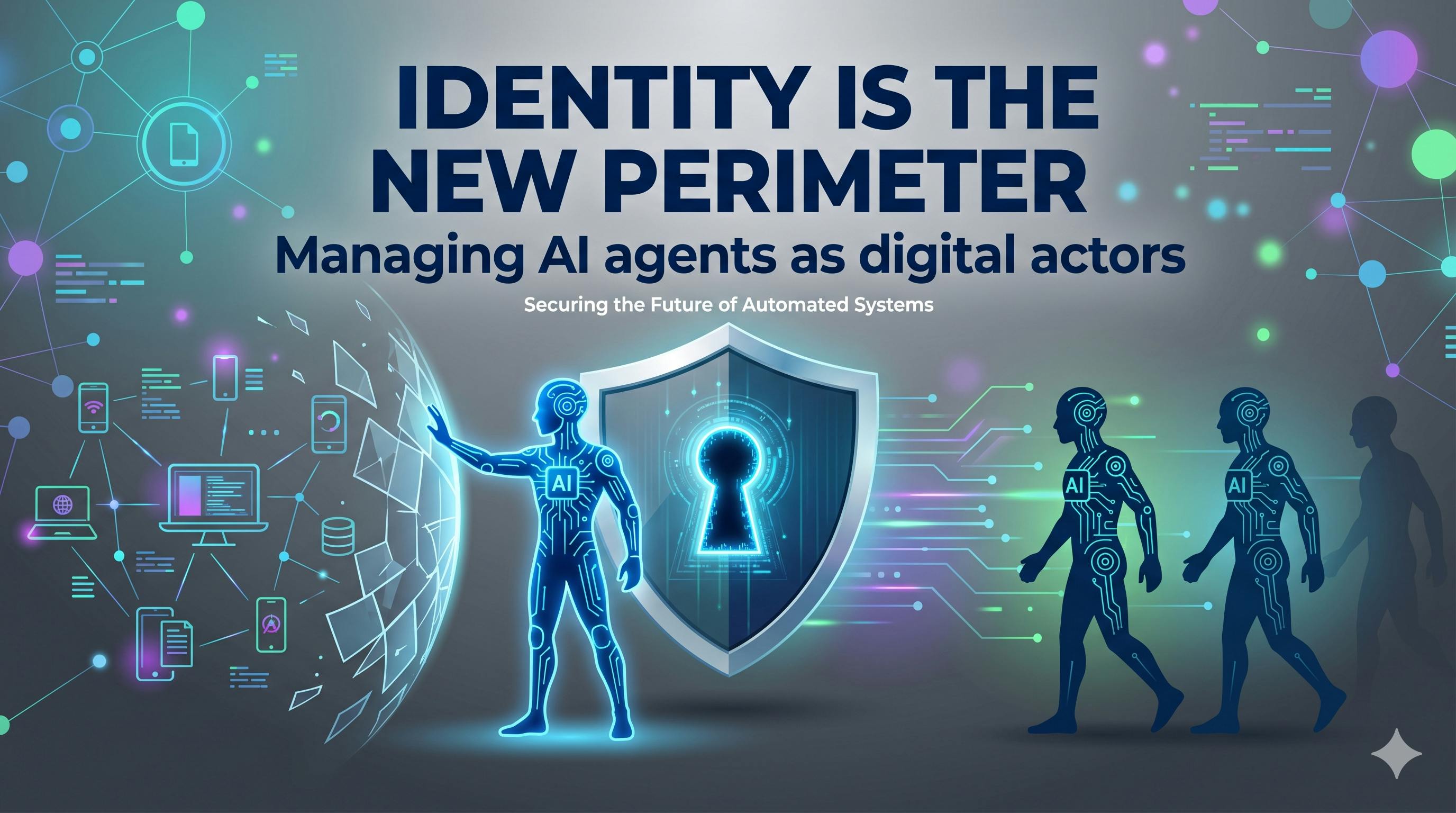
AI agents are transforming cybersecurity from network perimeter defenses to continuous identity-first authorization. Featured on HackerNoon's Cybersecurity Tech Brief podcast on Spotify.
HackerNoon