Engineering implication
Assign an accountable owner.
// engineering radar · Responsible AI
AI governance defines ownership, permitted uses and lifecycle review for AI systems.
AI governance defines ownership, permitted uses and lifecycle review for AI systems. It coordinates technical controls with organizational responsibilities and affected-user needs. A living system inventory helps teams understand how changes in models, data or capabilities alter the risk profile.
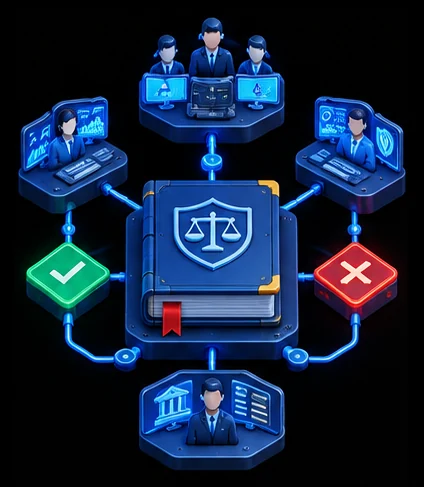
The AI RMF's Govern function addresses organizational policies, responsibilities and processes throughout the AI lifecycle. [1]
Artificial Intelligence Risk Management Framework (AI RMF 1.0)NIST · Standard
References support the specific statements above. Definitions are paraphrased synthesis; scenarios, diagrams, implementation checks and portfolio connections are independent educational examples, not results reported by these sources.
Assign accountable owners and documented permitted uses.
A team records an assistant's purpose, owner, data dependencies and review requirements, then revisits the assessment when write access is added.
A policy without operational owners or change triggers may remain disconnected from the systems it is meant to govern.
Connected engineering concerns
These technologies address adjacent design constraints. Connections express conceptual relationships, not citations or measured dependencies.
Independent implementation perspectives · illustrative, not findings reported by the cited sources.
Assign an accountable owner.
Require approval for high-impact irreversible actions.
Human oversight, evidence and accountable boundaries for automated decisions.
A model-generated assessment is not independent verification.
Portfolio work sharing this technology’s domains. Shared subjects indicate editorial relationships, not citations.

A practical enterprise AI agent security checklist covering least-privilege tools, action-bound approvals, prompt injection, audit trails and runtime containment.
iamharshverma.com

Most AI startups don't fail because their models are weak. They fail because customers can't trust what the agent will do next. A practical playbook for founders shipping agentic AI into real businesses.
iamharshverma.com

Published on RSA Conference official library: AI-driven threats move at machine speed, so security must shift from monitoring to autonomous response. Why self-healing systems that isolate, repair and recover on their own are now essential — and how intent, time and interaction put guardrails on defensive automation.
RSA Conference
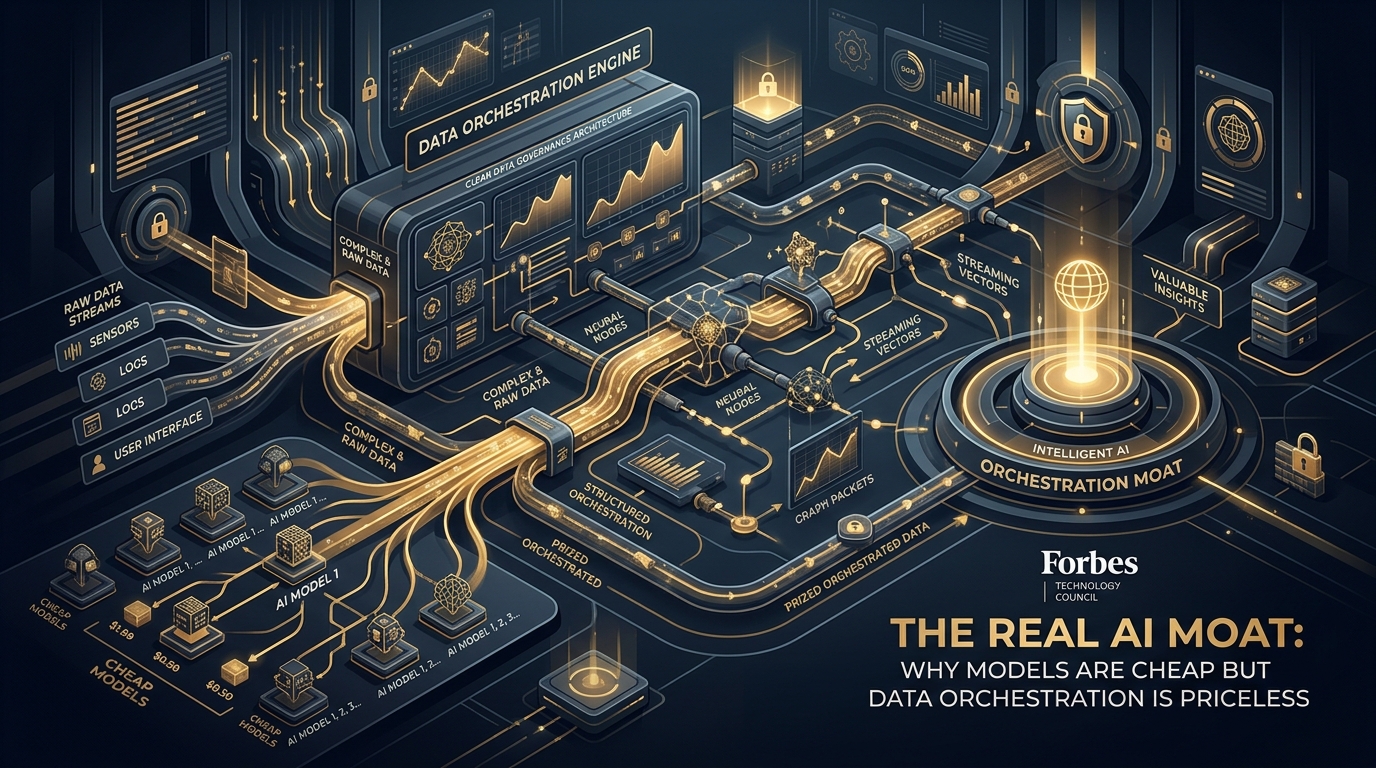
As frontier models commoditize and open-source alternatives catch up, owning raw models offers little defensibility. The true enterprise AI moat lies in continuous data orchestration, clean operational governance, domain-specific data pipelines, and high-fidelity contextual retrieval.
Forbes Council

An architectural examination of the fundamental tension between contextual user personalization and enterprise zero-trust data privacy in modern retrieval and agent ecosystems.
Forbes Council
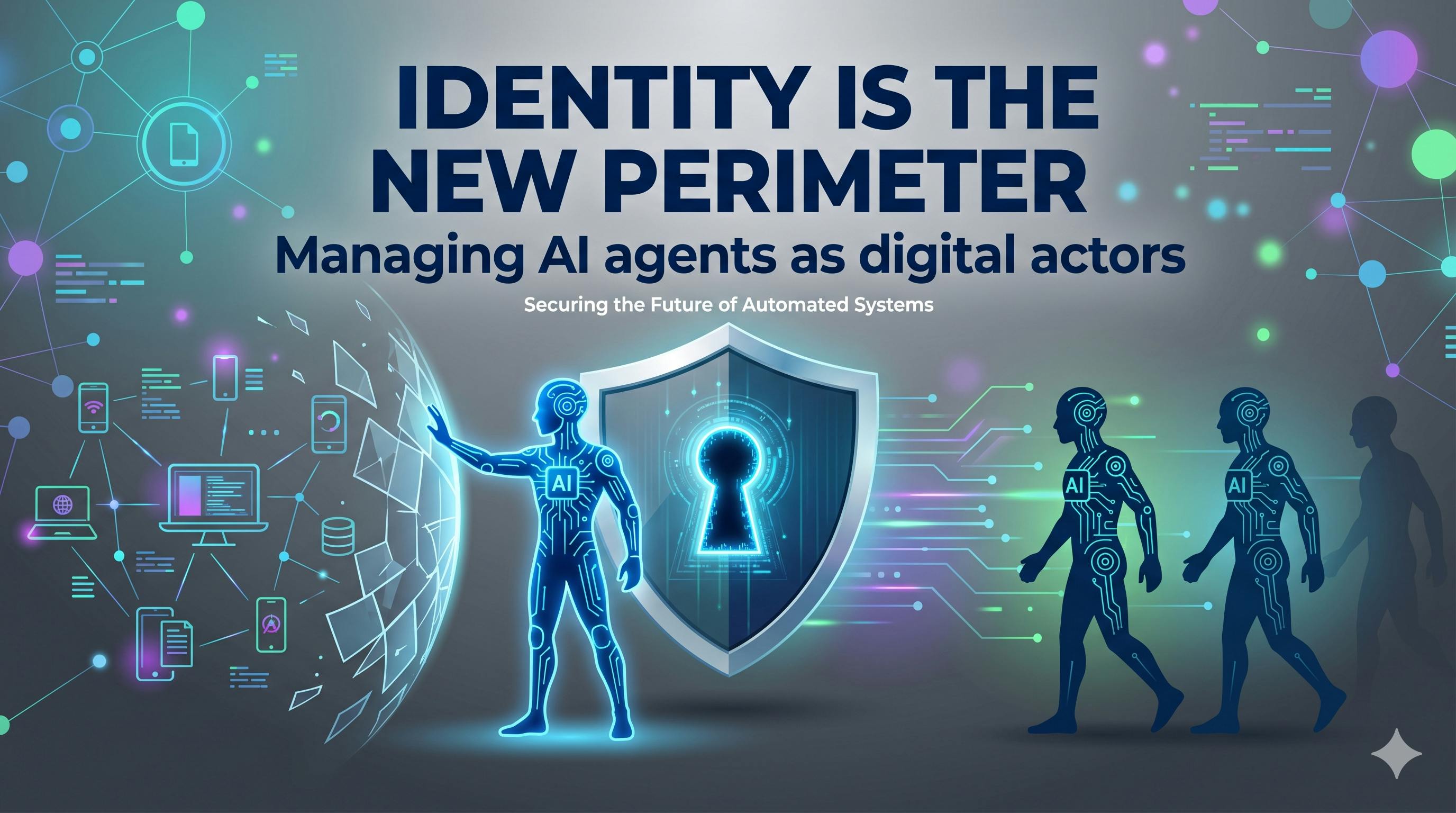
AI agents are transforming cybersecurity from network perimeter defenses to continuous identity-first authorization. Featured on HackerNoon's Cybersecurity Tech Brief podcast on Spotify.
HackerNoon